A friend and fellow educator, Kerstin Owen, joined me for the presentation of a routine I created this year: Bloom’s Word Study. If you have the time, check it out and leave feedback.
Phenomenal Instruction: Bloom’s Book Study
Phenomenal Instruction: Bloom’s Book Study
During the 2019-2020 school year, I developed a structure to reinforce fiction and non-fiction using a read-aloud book. It was a fast-paced but successful lesson aimed at assessing the retention of the six levels of Bloom’s Taxonomy reading concepts: Knowledge, Comprehension, Application, Analysis, Evaluate, Synthesis.
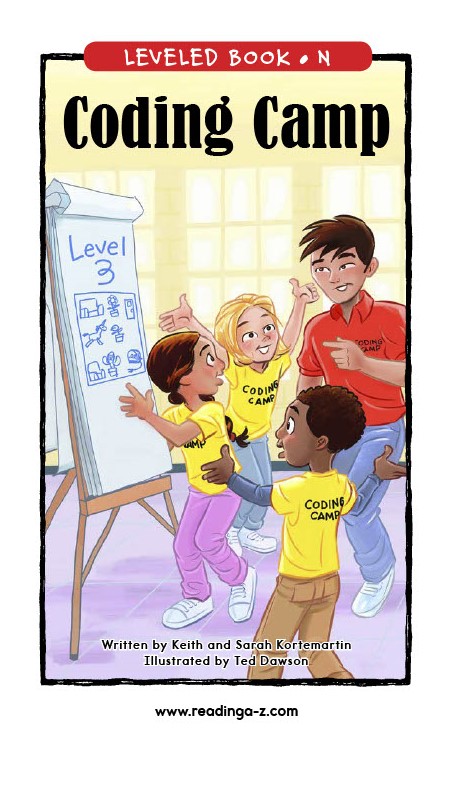
Resource: Raz Kids
Mini-Lesson: Pre-Teach Key and Vocabulary Words.
Before starting the interactive read-aloud, teachers pre-teach words that scholars will have problems decoding and define the high-level vocabulary.
The Book Study
Make A Prediction (Application)
Next, scholars are asked to make a prediction on what the story will be about and write at least three events that they think will take place.
Setting (Knowledge)
After the first two pages, the teacher will ask the scholars to identify the setting, which is a Knowledge-Level skill.
Problem/Main Events/Solution (Comprehension)
As you and the scholar read the book together, you’ll ask them to identify and write the problem, main events(how the problem was solved) and solution. This is a great way to determine if scholars are having issues with story structure.
Characters (Application)
These questions can be asked during and after reading. For example, a sample character trait question would be: How would you describe insert minor or major character?
A sample character feelings question: How did insert minor or major character feel on page 7 when ________ happened? What’s your evidence to support it?
Inference or Theme (Analyze)
The inference questions are asked at any point in the read-aloud. An example question would be: Why do you think the insert main character reacted that way or came to that decision?
Theme questions are asked during the “After-Reading” stage. It’s important that scholars are required to provide evidence.
Evaluate: An Opinion
Scholars are asked to evaluate the story during the “After-Reading” stage. A good question would be: Do you think the main character was a good friend? Why or Why not? It’s a good question to assess their critical thinking skills and make a text-to-self connection.
Synthesize: Solve The Problem
To have scholars synthesize the story(or show a different way of thinking), ask them how they would have solved the problem in the story.
If you want them to write a full composition, you could ask them to write the story from one of the characters’ Point of View.
Moving forward, I want to perfect “Bloom’s Book Study” and find ways to interweave it into a scope and sequence and small group intervention. Read-Alouds wouldn’t just be a way of teaching concepts but perfecting them.
(Sample Student Response Sheet Attached)
Jeremiah Short, Educator
Up Next: Targeted Guided Reading
Phenomenal Student Podcast
An Evolution of Bloom’s: Making It Real
An Evolution of Bloom’s: Making It Real
Over the past three years, I have structured Instructional units with Bloom’s Taxonomy in mind. First, I utilized it with Reading, which produced results. Then, I created a Word Study cycle called “Phenomenal Word Power”, which also yielded positive outcomes (2.4 years growth).
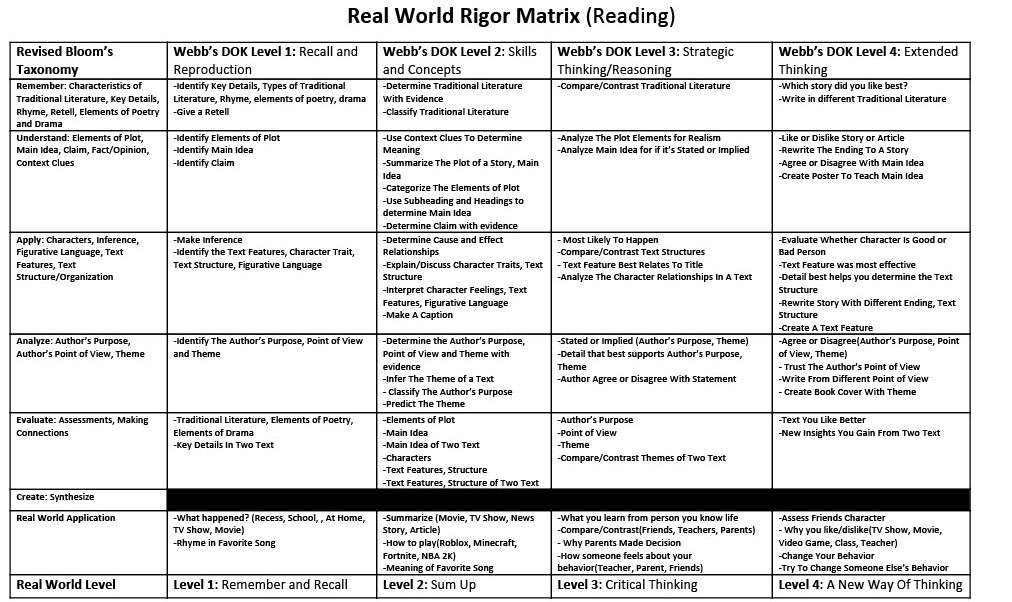
Even with the success of the instructional approach, I wanted to take it to the next level, so I combined Bloom’s Taxonomy, DOK (Depth of Knowledge) and Real World activities.
Intro: Relatable Lessons
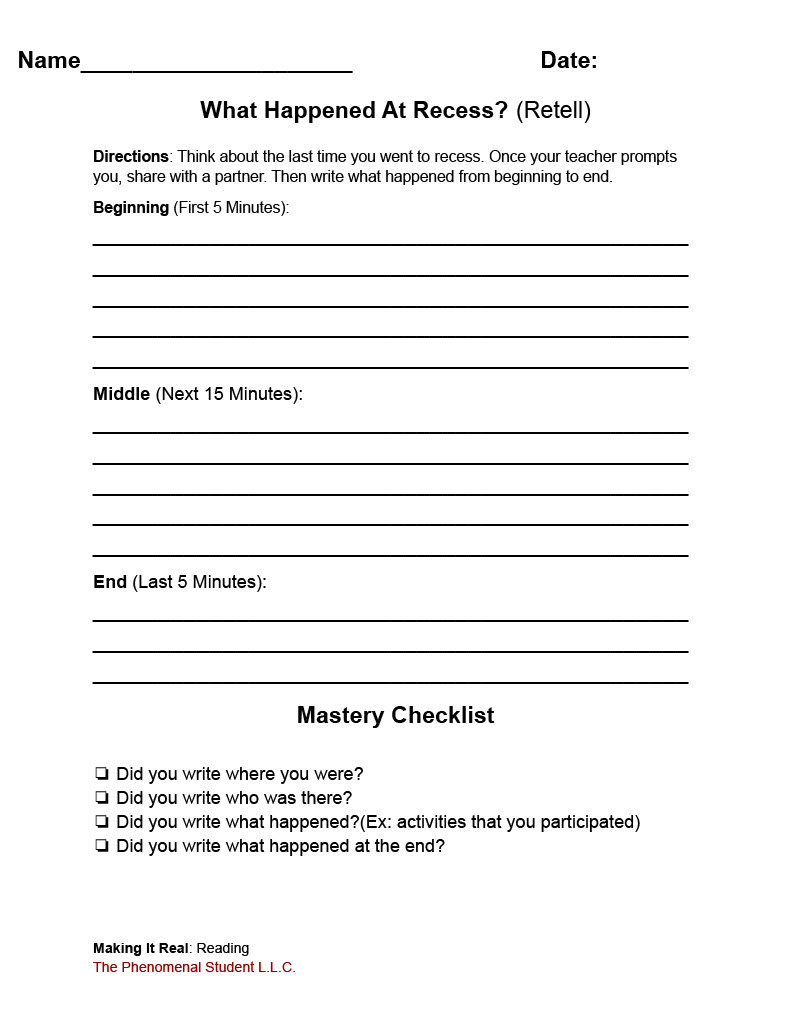
About two months ago, I created lessons with objectives, an instructional purpose, embedded skill(s), correlating Bloom’s level and suggested duration. In addition to a stated purpose, the lessons are relatable. Kids connect reading skills while on the playground, hanging with friends, and in conversations with their parents.
Methodology: Mastery Checklist
As an assessment of a student’s skills, they’re given a student response sheet, which has questions to answer (with scaffolds built in). Upon completion, there’s a checklist to ensure mastery.
Discussion: Supplemental Lessons
To be clear, these lessons are not intended to be a curriculum. They’re supplemental activities that lower the affective filter and help students make Real World Connections.
How do you incorporate it with what you’re already doing? It’s up to your discretion. These lessons can be used for introduction, closure, small group or a whole group “Character” lesson.
In conclusion, the lessons are differentiated, rigorous and “Make School Real.”
Making It Real: https://www.teacherspayteachers.com/Product/Making-It-Real-Reading-6936531
Be Phenomenal, Mr. Short
Up Next: Bloom’s Book Study
A Year In Bloom’s (Part 2): Reading
A Year In Bloom’s (Part 2): Reading
Bloom’s Taxonomy is a classification of educational objectives, which is based on the research of Benjamin Bloom and colleagues that was released in 1956. There are six classifications: knowledge, comprehension, application, analysis, evaluate and create/synthesis. (I prefer using the word Synthesis.)
Many of the skills that kids are taught are aligned to the rigor matrix and guide many teacher’s instructional practices.
In this article, I’ll detail my experience using these classifications to foster critical thinking in my scholars.
Intro: The Origins of Bloom’s Reading
Unlike my Word Power routine, I started experimenting with using the Bloom’s structure for Reading my 3rd year of teaching. After learning how students retained skills through the method, I researched Bloom’s Taxonomy and the associated question stems.
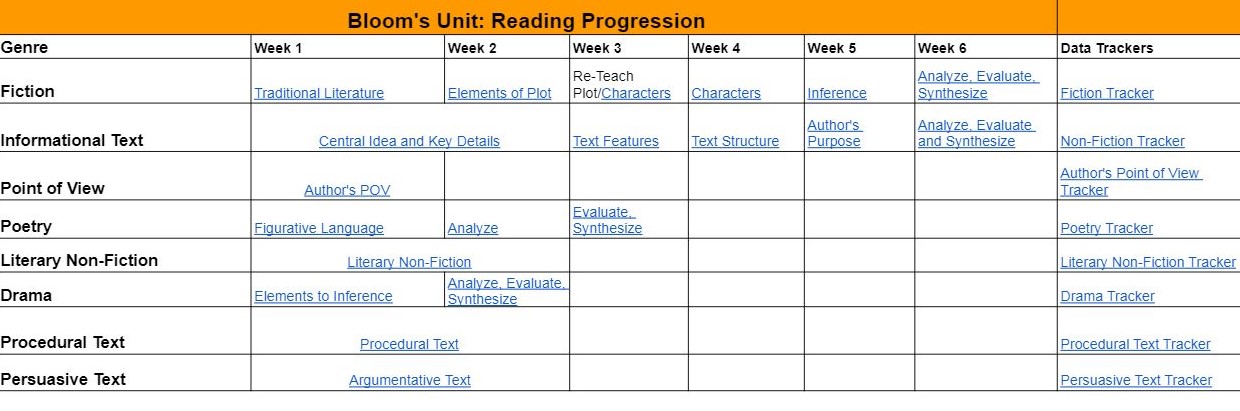
With an enhanced understanding of the objectives, I created a progression that supported the system.
1. Purpose of Study: New Type of Rigor
Traditionally, reading instruction centers around one of three approaches.
A. Reading Workshop Model: This is probably one of, if not, the most popular model for teaching Reading. Its focus is on “just right” books, 3-cueing model, and small group instruction.
B. Drill and Kill: This is an approach, which has a heavy focus on “backward design” and test-taking strategies.
C. Worksheet: The other approach is where teachers get materials from “somewhere.”
The goal: Marry the first two approaches by encouraging higher-order thinking while ensuring kids are receiving adequate, balanced reading instruction.

2. Framework: A Natural Scaffold
With the structure, the year start at the Knowledge portion of Bloom’s and progress them until they synthesize that skill. Following that week, you continue to build on those previously learned concepts.
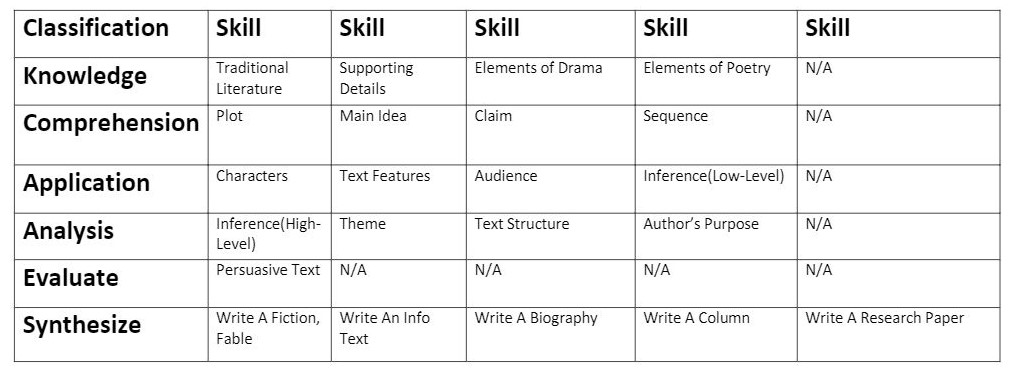
To encourage critical thinking within those various skills, the question stems at each stage of rigor was key.
Sample Question Stems at each stage.
Knowledge
Characters: How would you describe the main character? (The kids just have to identify the trait, not give evidence at this state of the week.)
Comprehension
Text Structure: What details support the text structure of the article?
Application
Inference: What conclusion can you draw after reading the story?
Analysis
Main Idea: Is the Main Idea Stated or Implied?
Evaluate
Plot: Did you enjoy the story? Were there any parts that didn’t make sense?
Synthesize
Author’s Purpose: Create your own Author’s Purpose. (My scholars made commercials or advertisements last year.)
3. Methodology: T.P.R.I./Classroom Discussion/MAP Growth
To accumulate data, I relied heavily on classroom discussion–as we didn’t have any formal reading assessments, although I gave quizzes on Fridays for the individual skills.
Additionally, I conducted Running Records and students took the MAP Growth test.
Results are found below.
4. Results: Multiple Genres Growth
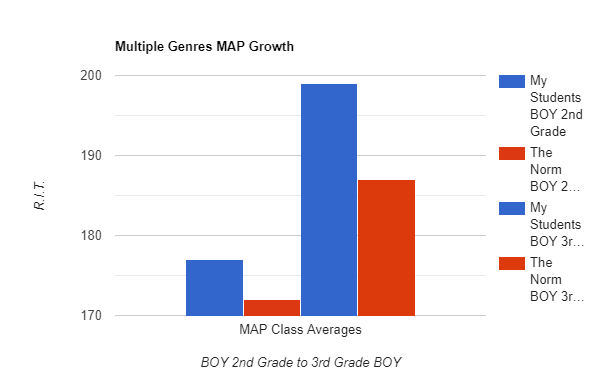
Of the 15 student sample size, they averaged 177 on the Multiple Genres area of MAP Growth at the BOY 2019-2020, which encompasses 1st through 3rd level reading skills such as Plot, Characters and Main Idea.
At the beginning of the year 2020-2021, the students averaged 199 on their MAP Growth, which is an increase of 22 points or 2.2 years growth. That’s seven points of the norm growth. 199 is where most fourth graders are at the beginning of the year. So, my students were a year above their peers.
Several scholars made substantial growth.
- One student grew 44 points or 4.4 years
- Eight Scholars grew 20-plus points
- Only one student scored below the norm at 182, which is five points below.
*It should be noted that three students from the BOY 2019-2020 moved. All three of these students scored below the norm, which would have placed my class average at the norm.
4B. Results: Author’s Craft Growth
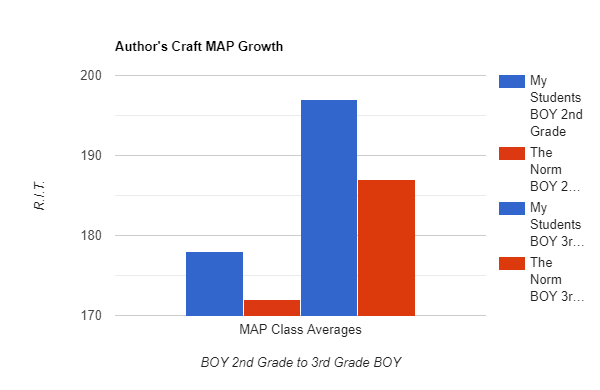
Of the 15 student sample size, they averaged 178 on the Author’s Craft area of MAP Growth at the BOY 2019-2020, which are the 4th level comprehension skills: Theme, Author’s Point of View, Author’s Purpose.
At the beginning of the year 2020-2021, the students averaged 197 on their MAP Growth, which is an increase of 19 points or 1.9 years growth. That’s four points above the norm growth. Similarly to Multiple Genres, 197 is where most fourth graders are at the beginning of the year. So, my students were a year above their peers in this area, as well.
Several scholars made substantial growth in this area, as well.
- One student had a RIT of 227 in this area, which is above 12th grade level.
- Six Scholars grew 20-plus points
- Only two students had a RIT below grade level in this area—174 and 179.

5. Discussion: Full-Year Integration
It should be noted that I wasn’t able to teach Procedural Text and Persuasive Text due to Covid-19.
For this method to truly be effective, I feel there needs to be full-year integration with Writing and Word Study. It grew students, but I feel it could grow them more if the other subjects were completely embedded throughout the year.
Additionally, the incorporation of data trackers and annual assessment would provide a more consistent and comprehensive evaluation loop.
6. Conclusion: Disrupting The Status Quo
Based on the early results, the method of Reading instruction is effective at encouraging higher-order, divergent thinking and enabling kids to retain the concepts. To further validate the approach, more educators with different styles must implement the method.
Do that and the “status quo” would be disrupted.
If you’re interested in learning more about “Bloom’s Unit: Reading” or would like professional development conducted on the method, email thephenomenalstudent@gmail.com
Jeremiah Short, Educator
A Year In Bloom’s(Part 1): Word Power
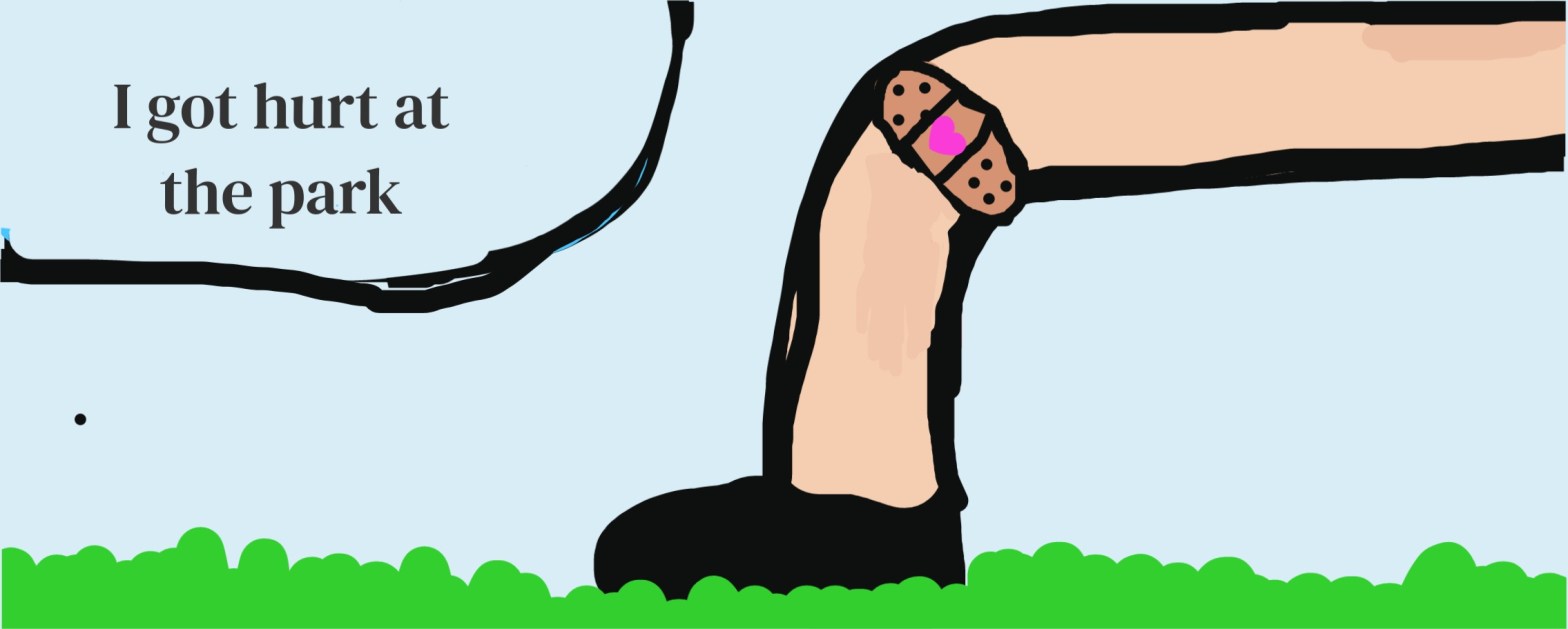
What is Bloom’s Taxonomy?
Bloom’s Taxonomy is a classification of educational objectives, which is based on the research of Benjamin Bloom and colleagues that was released in 1956. There are six classifications: knowledge, comprehension, application, analysis, evaluate and create/synthesis. (I prefer using the word Synthesis.)
Many of the skills that kids are taught are aligned to the rigor matrix and guide many teacher’s instructional practices.
In this article, I’ll detail my experience using these classifications to create a Word Study routine called “Word Power” , and the impact that it had on my student’s growth during the 2019-2020 school year.
Intro: The Origins of Word Power
At the onset of the 2019-2020 school year, the focus was on phonological awareness. Understanding that kids need phonics and vocabulary instruction, as well. The challenge was finding a way to incorporate those components within a 25 minute block.
Throughout the first nine weeks, I brainstormed a system to integrate those other elements. Utilizing Bloom’s Taxonomy progression, “Word Power” was birth.
1. Purpose of Study: Meeting All Student Needs
This was not intended to be a study. I created this routine because I wanted to meet all my student needs. Aligning the cycle to Bloom’s Taxonomy accomplished that, though.
*It should be noted that I’m not the first person to have a Word Study routine, but the components are traditionally done on different days of the week and not in concert with one another.
2. Framework: Align To Bloom’s Taxonomy
Knowledge: Day 1
A. Phonological Awareness: What’s The Word? (5 Minutes)
In this part of the routine, I stand on a table and review the weekly words. For example, I say
The first word is park and then ask the scholars: What’s The Word?!!!
Kids then chant: Park!!! (And I repeat for the other 14 words.)
B. Phonics: Underline The Pattern (5 Minutes)
After teaching the words, I have the kids underline the pattern. The kids will say the word and then say the pattern and underline it. (I normally call them up using voices.)
C. Vocabulary: Teach Definitions/Vocab Trailers (15 Minutes)
Originally, I would teach the definitions to kids. After receiving advice from vocabulary expert, Joanne Billingsley, I used the Vocab Trailers technique on the first day to tie visuals with the word.
For this technique, I show a picture that relates to one of the weekly words. Then I give the kids a sentence stem: In this picture or This reminds me of…
The kids turn and talk and then share out their answer. (I’d do this with four images.)
Thanks Mrs. Billingsley.
Comprehension: Day 2
A. Phonological Awareness: Clap It Out (5 Minutes)
To start the day, I break the weekly words into syllables and clap out each word with the kids, which embeds blending into the Word Study cycle.
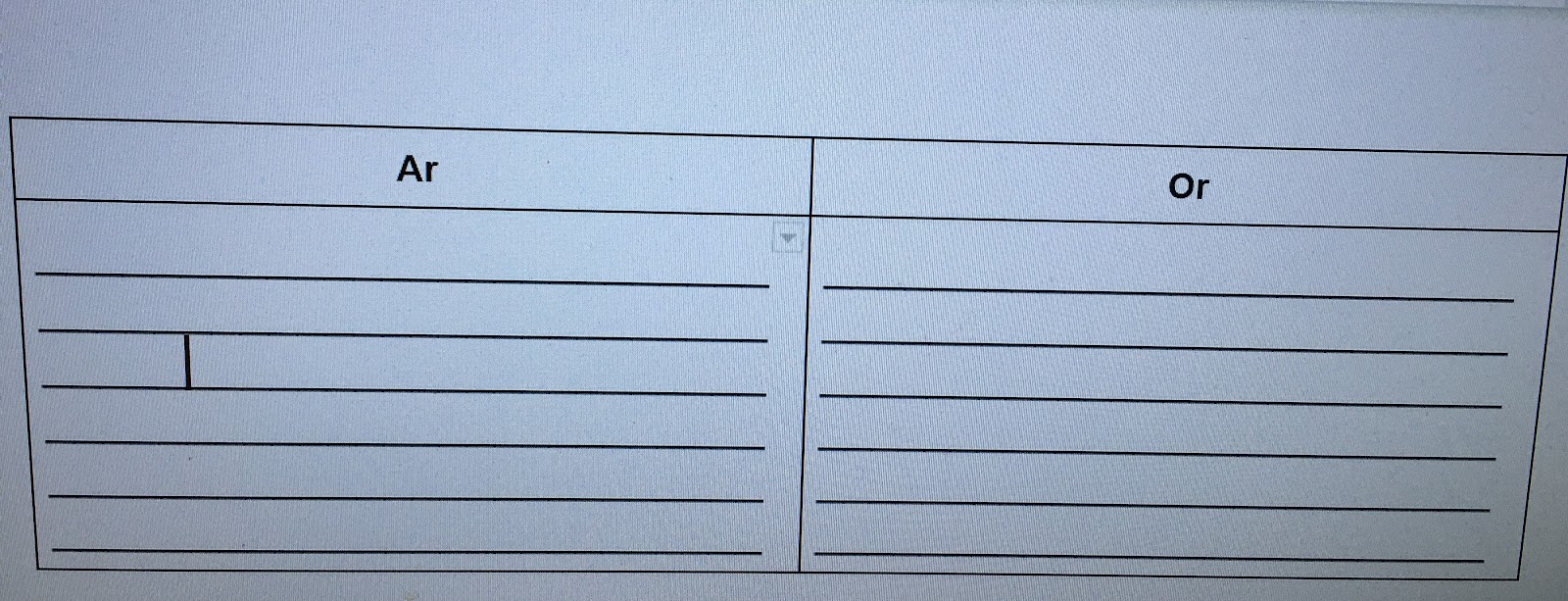
B. Phonics: Sorts (10 Minutes)
This is quite simple. The kids sort the words according to the pattern. For example
C. Vocabulary: Picture This!!! (10 Minutes)
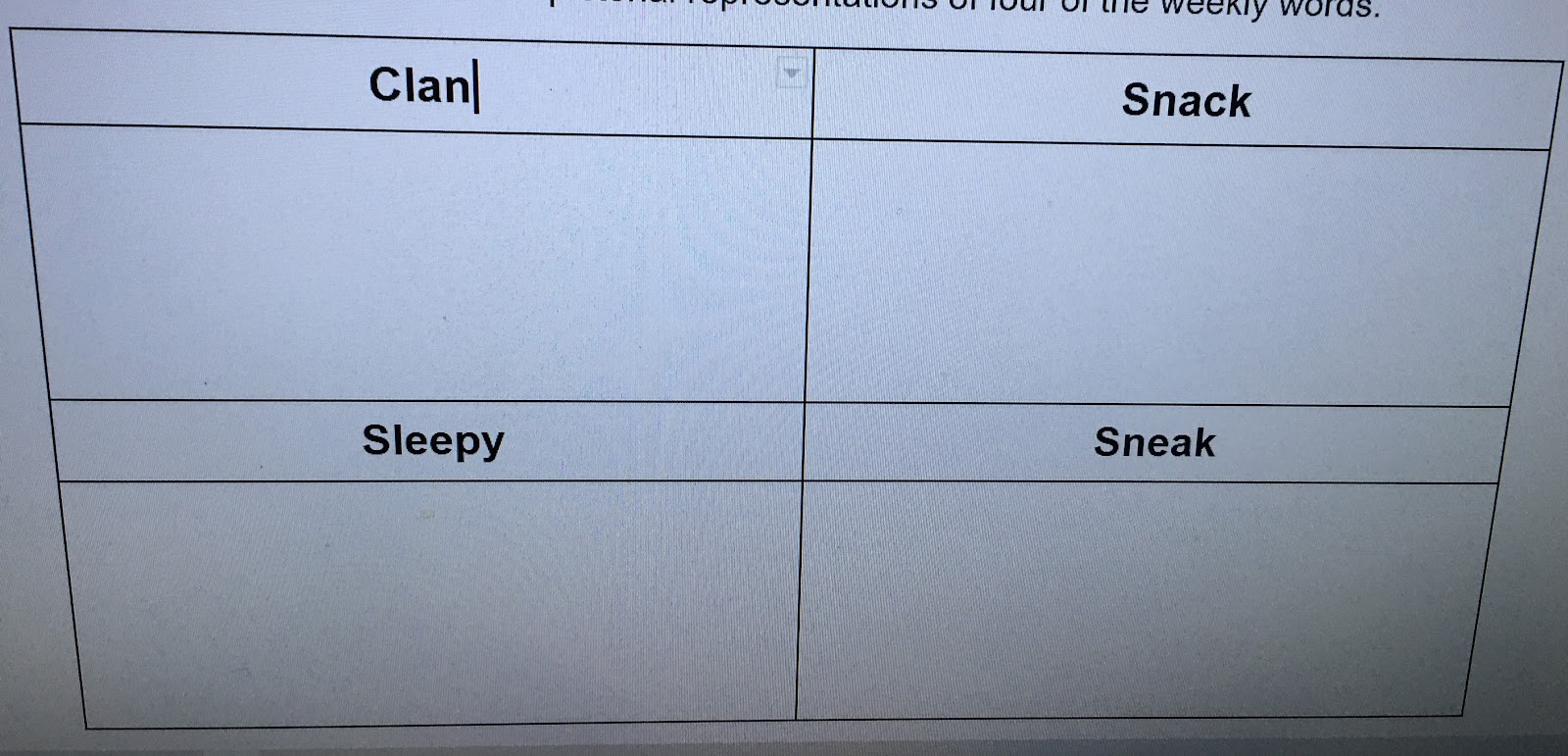
For this exercise, the kids draw pictorial representations of four of the weekly words.
Application: Day 3
A. Phonological Awareness: Read and Build (5 Minutes)
On this day, I have the kids apply their skills. First, I call out words and have them spell it on their desk.
B. Phonics: Spell (10 Minutes)
Then, I call out words and have the kids spell them. While they’re spelling words, I walk around the room and assess what errors that they’re making.
C. Vocabulary: Spell and Draw (10 Minutes)
For this portion, I’ll have the kids spell the words and draw a pictorial representation, as well.
Extension: Read Connected Text
I have this as an extension exercise but many times it was the main exercise. In the exercise, the kids read a short paragraph with words centered around the weekly words pattern. They underline the words with the pattern and sometimes answer a few literal comprehension questions. (Teacher Pay Teachers has some good Phonics Fluency Passages. If you’re not comfortable with TPT, you could use Decodable Text.)
Analysis: Day 4
A. Activity: “Conver” Stations”
This is an activity that incorporates all skills. In one station, the kids would sort the weekly words and explain why. One activity might have the kids write a paragraph based on the weekly word(s) and picture. My favorite activity is when the kids incorporated the words with a reading skill.
For example,
I would ask the kids to make a drama about a girl. It was a fun way to get the students to use their words in different ways.
Evaluate(Assess): Day 5
A. Phonological Awareness: Go Noodle Clap It Out
I didn’t assess Phonological Awareness but I would do “Go Noodle Clap It Out” as a brain break, so the kids can get that component.
B. Phonics: Incorporate In Other Disciplines
I didn’t assess spelling on this day, but I’d try to incorporate in the other subjects or disciplines.
C. Vocabulary: Context Clues Assessment (5 to 20 minutes)
To assess vocabulary, I’d give the kids a story and they’d have to fill in the blanks with one of the weekly words.
Create/Synthesis: Day 5
A. Vocabulary: Draw A Picture/Write A Story/Info Text/Poem/Drama/Opinion
After the assessment was completed, I’d give the kids several options. They could draw a picture with a self-selected weekly word or write a story, Informational Text, Poem, Drama, or Opinion using one or many of their weekly words.
3. Methodology: T.P.R.I./Classroom Discussion/MAP Growth
To gather data. I used T.P.R.I., a Texas-based assessment which measures the kids foundational growth in Word Reading(Decoding), Graphemic Knowledge (Spelling), Vocabulary, Fluency and Comprehension. In addition to that, classroom discussion was used to measure vocabulary development.
MAP Growth was used as a measurement too, as well.
Below you will find the results.
4. Interim Results: Phonological Awareness and Phonics Growth
Phonological Awareness
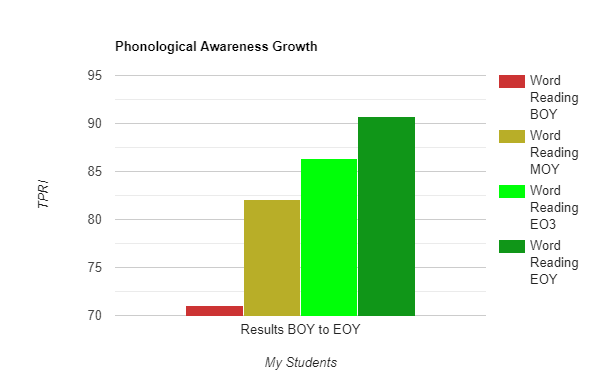
*I was able to test for phonological awareness virtually at the End of Year.
From the BOY(Beginning of Year) to the EOY(End of Year) my students grew 19.74 percent in their Phonological Awareness. Students who tested 90 percent or above in Word Reading don’t have to test again. They’re considered developed, so students could have grown five or ten percent more.
There were several glows.
- One student grew from 25 to 90 percent.
- One student grew from 30 to 80 percent
- As a class, only one student didn’t finish the year under 80 percent in Word Reading, but that student grew from 0 to 55 percent.
Phonics
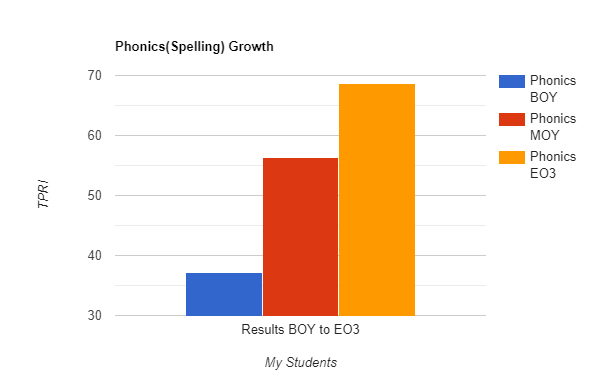
*I didn’t test my kids spelling in 4th nine weeks due to Covid-19 and not being in formal classroom.
In this graphic, you’ll see that my students grew 31.57 percent in Graphemic Knowledge (Spelling). The biggest jump was from the BOY to MOY–where the kids grew 19.21 percent.
There were several glows here, as well.
- One student grew from 15 to 80 percent.
- Another grew from 30 to 80 percent.
- Six students grew 40 percent.
- 11 out of my 19 students spelled at 80 percent proficiency.
5. Overall Results: Growth Above The Norm
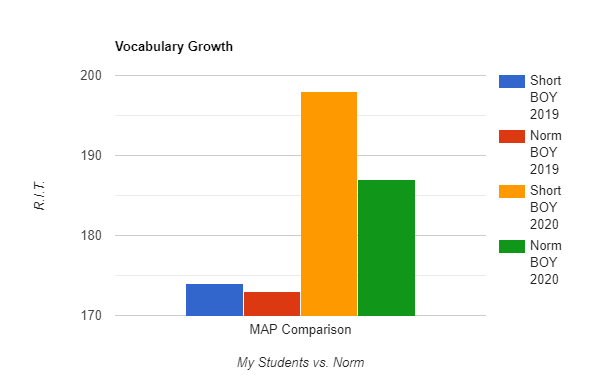
To get a complete picture of the success of the “Word Power” routine, you have to look at my kids BOY 2019 to BOY 2020 MAP Growth. (Due to Covid-19, there was no MAP Growth assessment at the EOY.)
Desegregating the data, the students grew 24 points, which equates to 2.4 years. As a class(198 average), they were a full year above the Norm (nationally average).
Naturally, there were glows here, too.
- One student grew 38 points(close to four years)
- Another grew 35 points.
- Nine students grew 20 points or more.
- Four students grew 35 points or more
*I took a sample size of 15 students–as a few students moved.
6. Discussion: Enhancing My Knowledge
Evaluating the routine and year, the main limitation was my lack of knowledge of the proper scope and sequence for Word Study instruction, which resulted in weekly words being a little random. Also, the age of the students(2nd Graders) didn’t allow me to embed writing as much as I would have preferred to do.
Additionally, if there were school assessments, I could have measured the kids vocabulary development through mastery of TEKS/Skills.
7. Conclusion: New Way of Doing Word Study
Based on the data, the “Word Power” program is an effective one. It can be improved, though, by following the proper Scope and Sequence for Phonics instruction, adding more activities and tracking data weekly. To further validate the method, I’ll use other educators from different grade-levels and environments.
This much is certain: Word Power is a new way of doing Word Study. It naturally embeds phonological awareness, phonics, vocabulary, writing, fluency while building reading skills. (All of the Daily 5 that the Reading Panel suggested in 2000.)
If you’re interested in learning more about “Word Power” or would like professional development conducted on the routine, email thephenomenalstudent@gmail.com
Jeremiah Short, Educator
Up Next: A Year In Bloom’s(Part 2): Reading
A Phenomenal Reflection: “Seeds Do Grow”
08/30/20
A Phenomenal Reflection: “Seeds Do Grow”
As I took my “Walk With God”, I thought about my scary first day as a teacher. I didn’t know what I was doing, how to get through an instructional block and if I’d ever be effective.
Turns out that one of my students, Mikayla, felt the same way. So, we had a conversation. She shared that she was nervous. I told her that it was my first day, and I was nervous, too.
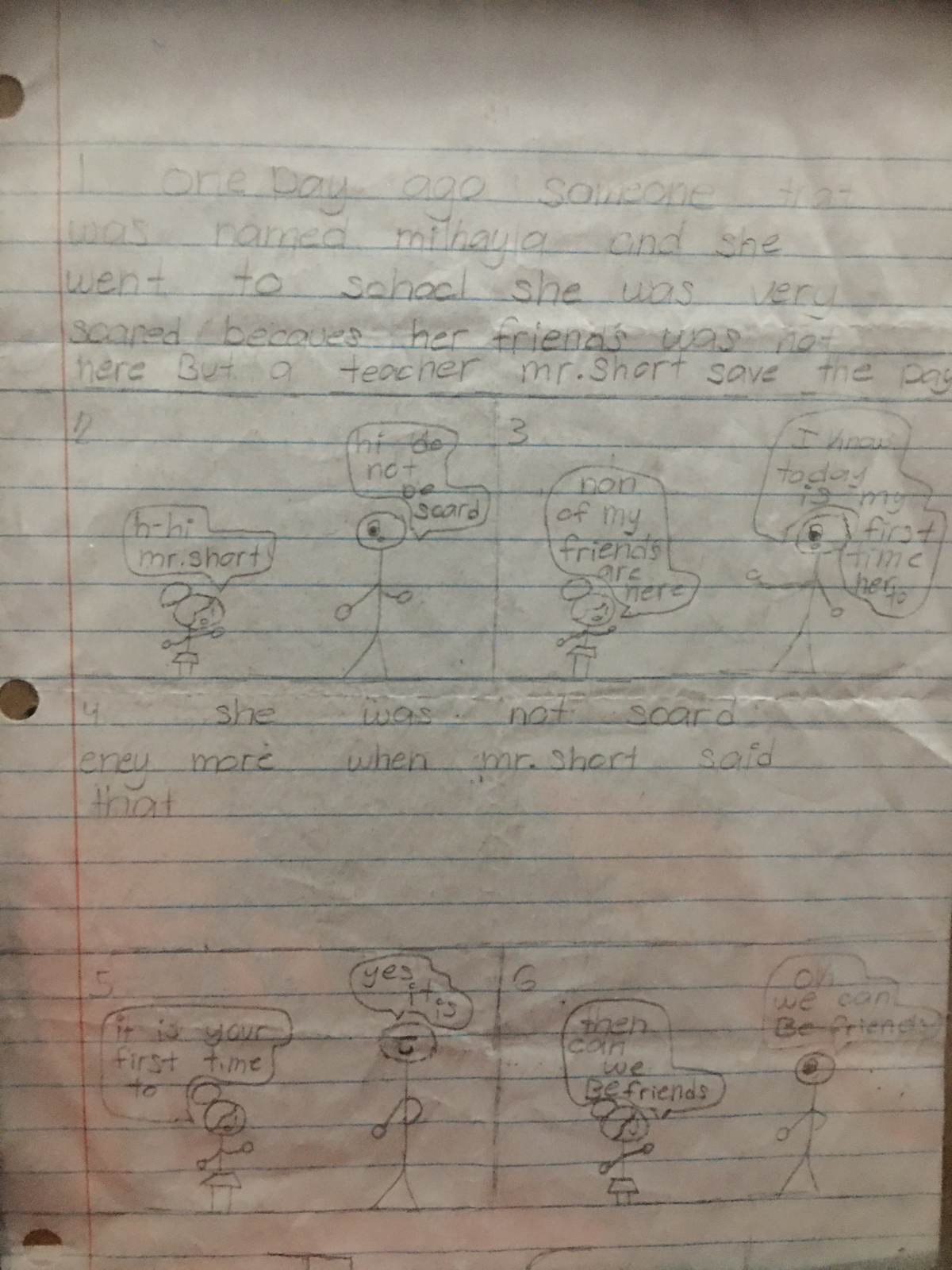
The next morning, she handed me a comic that she made about the first day titled: Mr. Short Saves The Day.
I framed it.
Soon, I found out that this scholar had some academic struggles. Her words looked a little weird , and she didn’t comprehend well. They were problems that required intervention. I didn’t agree with that assessment and asked her mom to let me work with her.
The year progressed, her words started to look a little less weird, and her writing improved. But she continued to have issues with her reading.
Then came a moment. She failed a test and cried out of frustration. While walking to recess, I asked her if she was doing the reading log that we gave her.
She responded: “No.”
Me: “Well…”
Me(Again): “Cry for about 30 more minutes and then it’s time to get to work.”
Later that day, she wrote on the board: “Thanks for the talk.”
The next week, she passed both tests and started to build confidence, although she still struggled in Reading, which she articulated in a paper.
In her what I’m looking forward to in fifth grade composition, she wrote that she was looking forward to learning how to read. Her words caused me to change my mind about leaving the school. (I looped with the kids. )
Over the summer, she read every day. That hard work paid off. Her comprehension improved , and she passed every Reading test that year.
On the last day, I gave her a journal.(The same as my mentor, Allen, had done years before for me.)
This young lady put that journal to good use and began work on her first novel. I kept up with her intermittently. She was blooming in middle school…being placed in Pre-AP classes. Yep, she went from Intervention to Advanced…Phenomenal.
About two months ago, I received a message that she had completed her first manuscript. I was asked to critique it and give my thoughts. I thought it was worth being published.
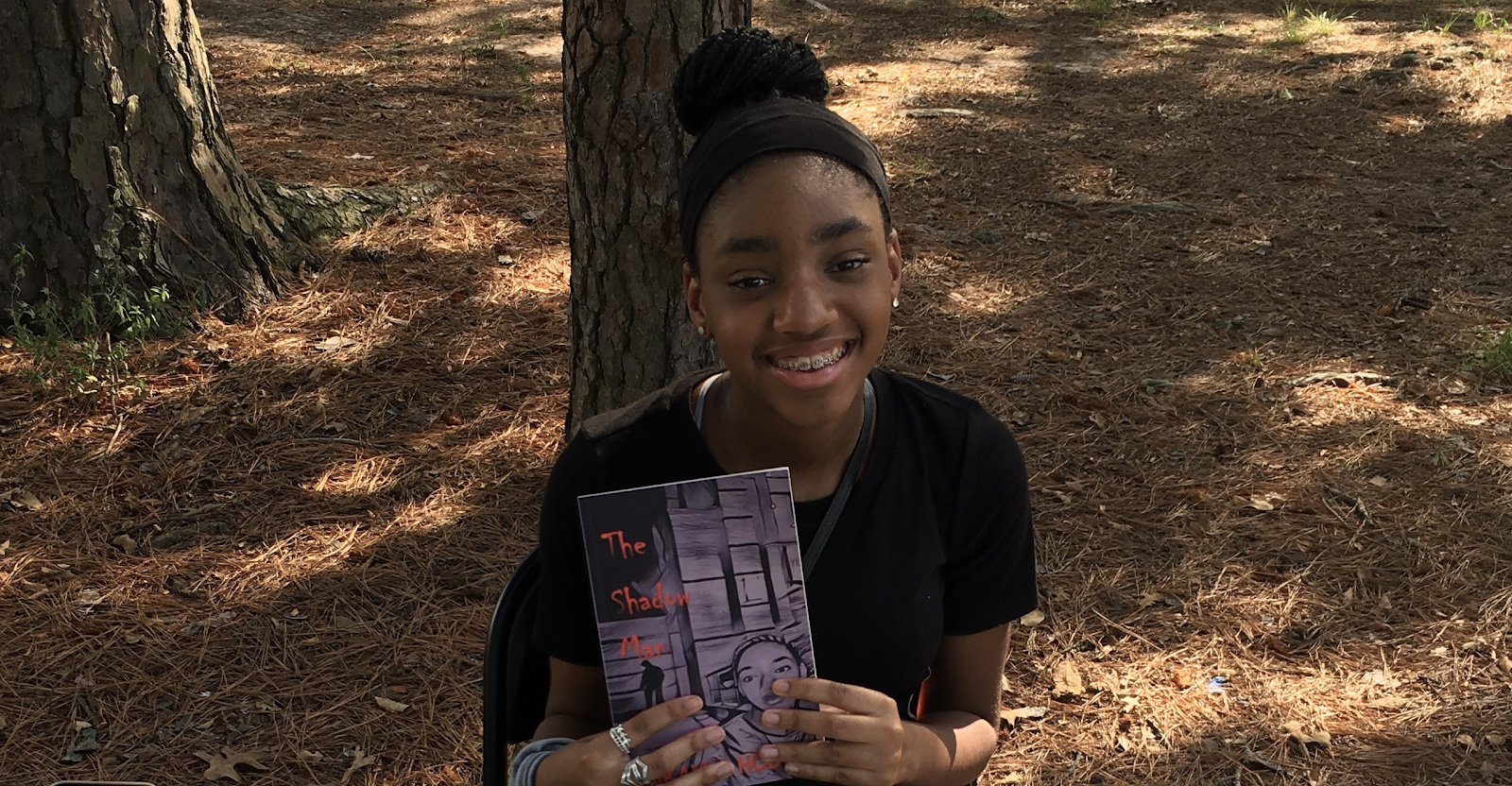
A few weeks later, “The Shadow Man” by Mikayla Hodor was released. I couldn’t believe it. Only four years into my career, I have the honor of saying that I taught a 13-year-old author. I was even more honored that I received an acknowledgement in the opening salvo…too cool.
What’s even cooler is that I was able to interview her about the book for my show: The Phenomenal Student Podcast. And yesterday, I attended her first but not last book signing. She read an excerpt from her book, answered questions and took pictures.
It’s one thing to talk about growth. It’s another thing to see it happen. Mikayla went from struggling to write and comprehend to writing a book that others have to comprehend.
Plant a seed.
They do grow.
I leave you with two things.
1. What type of seeds are you planting?
2. Be patient and allow them to grow.
Bloom’s Word Study: Final Digraphs
Bloom’s Word Study: Final Digraphs
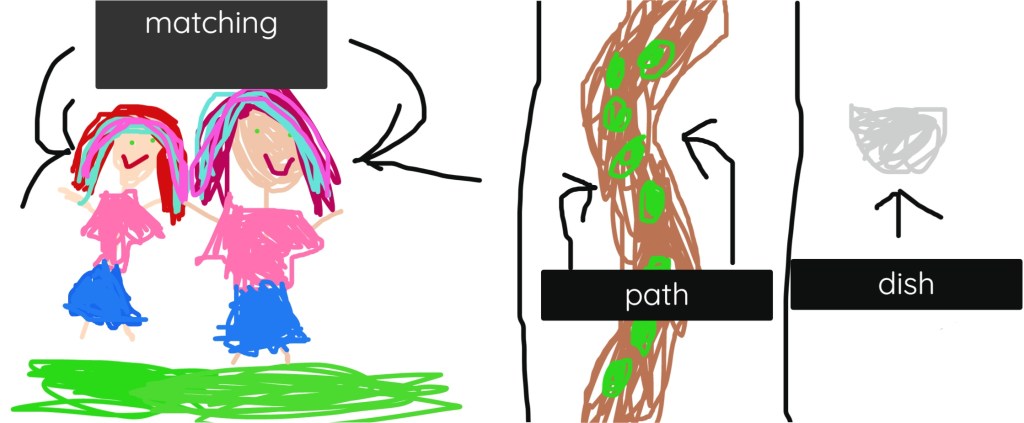
Example of student synthesizing their weekly words.
Coming into the school year, I wanted to find a way to merge phonemic awareness, instruction and vocabulary acquisition. The reasoning for this is that many experts seem to separate the three. So, I wanted to develop a structure to bring them together efficiently.
After one nine weeks of evaluating and research, I created a Word Study routine that incorporating the three approaches, which I’m calling Bloom’s (Taxonomy) Word Study.
To illustrate its effectiveness: My kids averaged +16.7 percent growth on their T.P.R.I. after I utilized this routine for two months.
What I’d like to share is a full week Word Study cycle. During this week, I studied Final Digraphs with my scholars.
Regular Words: Which, Teaching, Each, Dish, Matching, Path, Wishbone, Teeth, Fishing, Watch
Challenge Words (Higher-End Vocabulary): Arch, Attach, Punish, Fetch, Approach
Knowledge: I can identify the sounds, spelling and determine meaning of words.
Phonics: What’s the Word?
For the phonemic awareness portion of Word Study, I model how to pronounce the word and say: “What’s the Word?”
The kids then say the word in unison.
Phonics Instruction: What’s the pattern?
I keep it simple with the spelling pattern. With a funny voice, I ask the kids to come up and underline the weekly pattern.
For example, they come up and say: The Final Digraph is…
Vocabulary: Vocab Trailers
Once I began using this routine, I would review the definitions for each word. But after seeking feedback from Joanne Billingsley, she advised me to introduce visuals earlier in the process. So, that’s what I started to do.
On this day, I shared three pictures.
Example

In this picture…
This Reminds me of…
The kids turn and talk using the sentence starter. I’ve found it to be transformational for vocabulary acquisition.
Comprehension: I can sort words according to their spelling pattern.
Phonics: Clap It Out
To begin the daily routine, I have the students lead the choral response the weekly words. After that, I clap out each letter of the words.
Phonics Instruction: How Fast Can You Go?
Understanding that Digraphs are tough patterns, I had the kids sort them with a partner. Instead of sorting once, I had them sort them as fast as they can and then repeat. To increase the rigor, I had them sort and then write their own Digraph. After some time, I gave them a dictionary to look for more words.
Vocabulary: N/A
I introduced “How Fast Can You Go?” for the first time. So, I didn’t focus on vocabulary.
Application: I can apply phonics knowledge in my reading.

Phonics: Read Fluently
For the phonics portion, the Phonics Fluency passage is read fluently in unison with the kids.
Phonics Instruction: Look For Patterns
After reading the passage with kids, they look for the patterns and write them.
Vocabulary: Draw A Picture
For vocabulary, the kids must illustrate the story on the bottom or on the back.
Analyze: I can analyze the phonics, spelling pattern and meaning of words.
When my students analyze their words, I use a technique that I learned at a district training from a Phenomenal teacher, Emily Beno, who was my district’s Teacher of the Year a few years back.
“Conver” Stations
Station 1
Words: Dish, Fish, Wish
Say The Words As A Group
Do they have the same Digraph? Which One__________________________________________
Do they rhyme?________________________________________________________
Can you write one stanza with the words?______________________________________________________________________________________________________________________________________________________________________________________________________________________________________________________________________________________________________________________________
Station 2
Words: Wishbone, Teeth, Punish, Which, Watch
Which words have the same Final Digraph?______________________________________________
How many Final Digraphs are there?____________________________________________________
Station 3
How do the words and picture go together? ____________________________________________________________________________________________________________________________________________________________
Station 4
Describe how you sorted the words(More than a line):
After the kids complete all their stations, I debrief with them. Here’s a sample response from one of my students.
Response To Station 3: “The teacher is teaching the class. The kids watch the teacher. Which is the answer class? One of the kids get punished after school
Evaluate: I can demonstrate mastery by using context clues.
For the evaluate, I give the kids a short story where they must use some of their weekly words in context.
Quiz: 15/17 passed with 14/17 Mastery.
Synthesize: I can create a story with weekly words.
To synthesize, I have the kids create a picture or write a story with their weekly words.
Story Example: I was watching the teacher teaching us how to match some stuff. Then when we were done, she said that tomorrow we were going camping. The day has finally came. We saw a path. It was leading to the campsite. When we approach the camp, we went to a Arch. Then go fishing. Then we got a dish of fish and roast marshmallow. It was a great day.
(Picture Example Is Feature Photo)
Unit Success: 100 percent
Fellow educators give me feedback on the new Word Study Routine. All is welcome. Send to JShort2716@gmail.com
Jeremiah Short , Educator
A Phenomenal Reflection: “Let Go Of The Old Stuff”
Sunday’s Reflection: “Let Go Of The Old Stuff”
As I took my Walk, I thought about how we must let go of the old stuff.
This week, I decided to clean my house…thoroughly. I didn’t just shift(throw things out of view)…I cleaned.
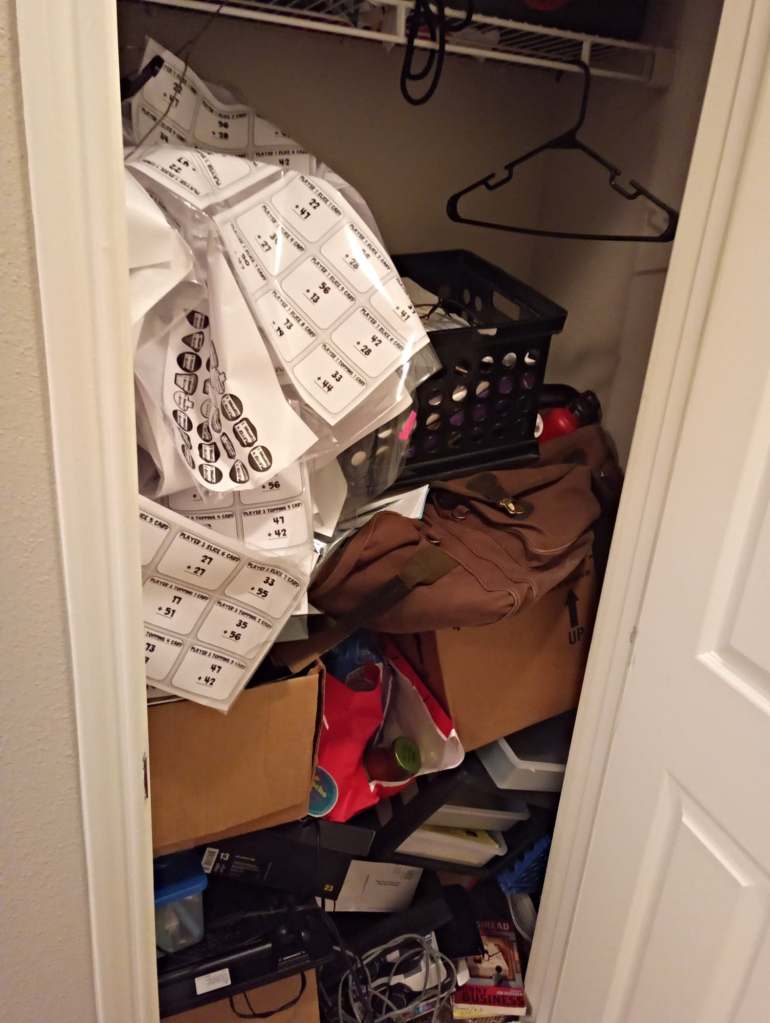
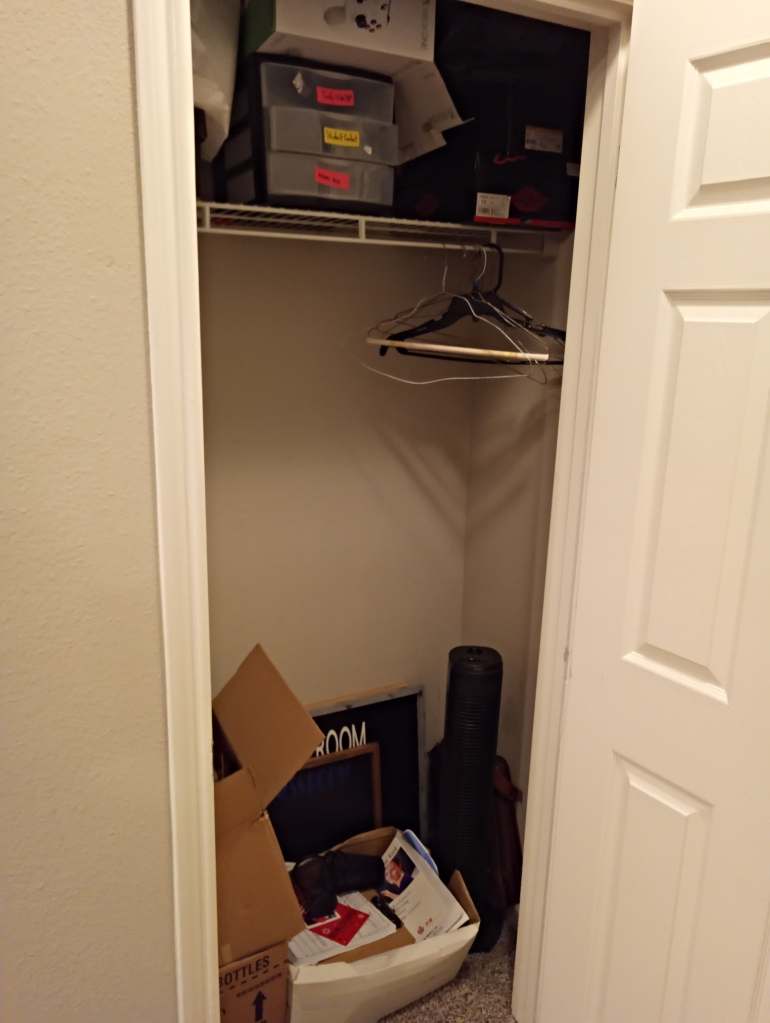
One of those areas that I made more tidy was the dining room closet. It was filled with boxes and random stuff. Filtering through those items was a veritable walk down memory lane. There were old articles. Mission trip mementos. Information from my time as a paraprofessional(super unnecessary, too). And of course, things from my time at Thompson Elementary.
In middle of sorting through the boxes, I caught myself and asked: Why do I still have this stuff? It serves no purpose other than taking up space.
So, I threw out the old stuff.
My closet-cleaning experience is an allegory to real life. We hold onto old stuff for no reason. Poor treatment by a friend or family member. Former victories. Past mistakes.
Everyone does it. And they all come with a set of consequences. If you hold onto that poor treatment by a friend or family member, your relationship likely will never be restored. If you bask in former victories, you’ll become stagnant and won’t evolve into the best version of yourself. And if you beat yourself up over past mistakes, you’ll never turn your “mess into a message.”
While cleaning out my closet, I was reminded of a moment from early in the school year. I showed my current students the background to my phone. It was a picture of my 2nd group of kids on 5th grade graduation day.
Then one of my student’s said: “Maybe we could be the background of my phone.”
Me:…
That was a “unique” group with a special place in my heart. If there’s ever a story about my teaching career, those scholars would be the main source material.
Even with all of that, I came to a realization: I was holding onto them.
So, I changed the background to phone to my new kids. It’s time that I give my all to them.
I’m letting go of the old stuff.
I leave you with two things.
1. Do you hold onto old stuff?
2. Are you prepared to let it go?
Jeremiah Short, Educator
A Phenomenal Reflection: “Blessed To Teach Them”

Sunday’s Reflection: “Blessed To Teach Them”
As I took my Walk, I thought about a note and card I received on the last day before Winter Break.
Note
To: Mr. Short
From: **************** *************
You’re so kind to help me in small group. I really like to spend time with you. Enjoy your break see you soon.
Card
Thank you for all the time and energy you to our kids. Krahn is blessed to have you! Merry Christmas!
Reading these kind words forced me to reflect on the moment I was told that I’d be working 2nd grade. All I could think is no, No, NO…Good Lord NO!!!
I was an upper-elementary teacher…I don’t fool with the babies.
Several people tried to convince that it’d be a good look for the short and long-term. I still wasn’t feeling it until the first week of school. I read the poem—Mother to Son—to the kids. And then I ask what mom was trying to say.
One of my students shared out: “Sounds like his mom had a rough life.”
Me(In my head): I might got something here.
It took an entire nine weeks for me to adjust to the age-level but slowly but surely, I got in a groove. My kids quickly became the strongest group of “critical thinkers” I’ve every taught. That’s saying a lot. I’ve had some solid groups the past three years. They want to show you what they know, too. (Maybe too much at times.)
Students have said that I “inspire” them, parents have thanked me for their children’s growth, and my students display an insatiable thirst for learning process.
Not only have my students grown , but I have, too. I’m learning to scaffold instruction, incorporate Guided Reading, engage in Artful Read-Alouds and promote higher-order thinking with proper question stems. Most importantly, I’ve learned to critique my work.
To end, I’ve impacted my babies, but they’ve impacted me, too.
I’m blessed to teach them.
I leave you with two things.
1. Whom do you serve?
2. Are they a blessing to you?
Jeremiah Short, Educator
 The Phenomenal Student