Phenomenal Instruction: Bloom’s Book Study
During the 2019-2020 school year, I developed a structure to reinforce fiction and non-fiction using a read-aloud book. It was a fast-paced but successful lesson aimed at assessing the retention of the six levels of Bloom’s Taxonomy reading concepts: Knowledge, Comprehension, Application, Analysis, Evaluate, Synthesis.
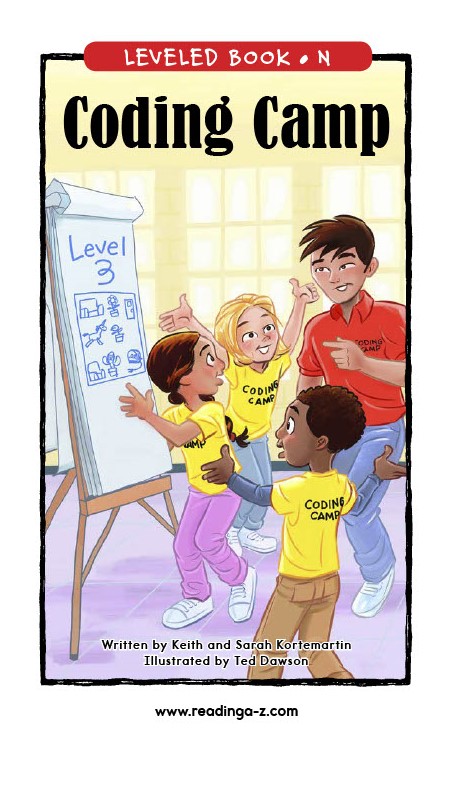
Resource: Raz Kids
Mini-Lesson: Pre-Teach Key and Vocabulary Words.
Before starting the interactive read-aloud, teachers pre-teach words that scholars will have problems decoding and define the high-level vocabulary.
The Book Study
Make A Prediction (Application)
Next, scholars are asked to make a prediction on what the story will be about and write at least three events that they think will take place.
Setting (Knowledge)
After the first two pages, the teacher will ask the scholars to identify the setting, which is a Knowledge-Level skill.
Problem/Main Events/Solution (Comprehension)
As you and the scholar read the book together, you’ll ask them to identify and write the problem, main events(how the problem was solved) and solution. This is a great way to determine if scholars are having issues with story structure.
Characters (Application)
These questions can be asked during and after reading. For example, a sample character trait question would be: How would you describe insert minor or major character?
A sample character feelings question: How did insert minor or major character feel on page 7 when ________ happened? What’s your evidence to support it?
Inference or Theme (Analyze)
The inference questions are asked at any point in the read-aloud. An example question would be: Why do you think the insert main character reacted that way or came to that decision?
Theme questions are asked during the “After-Reading” stage. It’s important that scholars are required to provide evidence.
Evaluate: An Opinion
Scholars are asked to evaluate the story during the “After-Reading” stage. A good question would be: Do you think the main character was a good friend? Why or Why not? It’s a good question to assess their critical thinking skills and make a text-to-self connection.
Synthesize: Solve The Problem
To have scholars synthesize the story(or show a different way of thinking), ask them how they would have solved the problem in the story.
If you want them to write a full composition, you could ask them to write the story from one of the characters’ Point of View.
Moving forward, I want to perfect “Bloom’s Book Study” and find ways to interweave it into a scope and sequence and small group intervention. Read-Alouds wouldn’t just be a way of teaching concepts but perfecting them.
(Sample Student Response Sheet Attached)
Jeremiah Short, Educator
Up Next: Targeted Guided Reading
 The Phenomenal Student